As the Houston heat waves continue into the fall, the weather is not giving your air conditioner a break. When afternoon temperatures sit above 95 degrees and the overnight low never drops below 80, your system stops cycling off. It just runs. The thermostat calls for cooling, and the equipment answers, hour after hour, sometimes for a week straight.
Most systems get through it. That is what they are built to do. Nonstop operation can cause wear and tear on the hardware, and the impacts of this do not always show up immediately. A system that survived the worst week of the summer can fail two weeks later on a mild afternoon. Knowing which parts absorb the most punishment helps you spot trouble early, while a repair is still small.
Why Nonstop Running Is Hard on a System
An air conditioner is designed to cool your home and then rest. The rest matters more than most homeowners realize. During the off cycle, motors shed heat. Refrigerant pressures settle. The indoor coil warms slightly and drains the moisture it pulled out of the air.
During a heat wave, that pause disappears. Your system also works two jobs at once here on the Gulf Coast. It lowers the temperature, and it wrings water out of extremely humid air. That second job doubles the load on several parts at the same time.
The Components That Take the Biggest Beating
Compressor
The compressor pumps refrigerant through the system, and it generates a lot of heat doing it. When outdoor air is already 100 degrees, the compressor works against high pressure for days without relief. Internal oil thins out. Electrical windings run hotter than their design range.
A compressor rarely fails during the heat wave itself. It fails later, after the stress has accumulated. Watch for a unit that struggles to start, hums loudly for a moment, or trips the breaker.
Capacitor
The capacitor is a small cylinder that stores an electrical charge and gives the motors the push they need to start. It is also the part most likely to fail after a stretch of extreme heat.
Capacitors are rated for a specific operating temperature. Inside a metal cabinet sitting in full Houston sun, the air can exceed that rating by a wide margin. The dielectric material inside breaks down, the capacitor loses capacity, and the motor it serves starts drawing more current. A bulging or leaking top is a clear sign, but many weak capacitors look perfectly normal.
Contactor
The contactor is the electrical switch that sends power to the outdoor unit. In mild weather it opens and closes several times a day. During a heat wave it stays closed for hours at a time, carrying full current the entire time.
That constant load pits and burns the contact surfaces. Pitted contacts create resistance, resistance creates more heat, and the cycle feeds itself. In the worst case the contacts weld together and the outdoor unit never shuts off, even when the thermostat is satisfied. Insects are another problem in this part of Texas, since they crawl into the housing and interfere with the switch.
Blower Motor
The indoor blower pushes air across the coil and through your ductwork. During a heat wave it may run for days without stopping. Bearings wear. The motor housing holds heat.
A dirty filter makes this much worse. The motor pulls harder against the restriction, draws more current, and runs hotter still. Variable-speed motors often have built-in protection that shuts them down before damage occurs, which is why some systems start cutting out on their own during long hot spells.
Evaporator Coil
The evaporator coil is the cold indoor coil that absorbs heat from your air. It stays wet the entire time the system runs, and in Houston it stays very wet.
Dust that gets past the filter sticks to those wet fins and turns into a mud-like film. That film blocks airflow and insulates the coil from the air it is supposed to cool. If airflow drops far enough, the coil temperature falls below freezing and ice forms. Ice on the coil is never the actual problem. It is a symptom of restricted airflow or low refrigerant.
Condenser Coil
The outdoor coil rejects heat into the air around it. That job gets much harder when the surrounding air is already 100 degrees. The system compensates by running at higher pressure, which pushes the compressor harder.
Now add a layer of dust, grass clippings, dryer lint, and cottonwood packed into the fins. A dirty condenser coil can raise operating pressure enough to shorten equipment life measurably. This is the single easiest thing a homeowner can address.
Condensate System
Long runtimes produce a surprising amount of water. A typical Houston home can generate several gallons of condensate a day during humid weather, and all of it has to leave through one narrow drain line.
Algae and biological slime grow quickly in a warm, wet PVC pipe. A partial clog that caused no trouble in April can back up completely under heat wave volume. If the drain pan overflows, water finds your ceiling, your insulation, or your attic decking. A working float switch shuts the system down before that happens, which is inconvenient but far better than the alternative.
Air Filter
The filter is the cheapest component in the system and the first one to give out. Filter life is measured in air volume, not calendar days. A filter labeled for 90 days assumes normal cycling. When the blower runs around the clock, that same filter can load up in a month or less.
A clogged filter strains the blower, starves the coil, lowers cooling capacity, and raises your electric bill. Check it now, even if you replaced it recently.
Warning Signs to Watch For Over the Next Few Weeks
Heat wave damage tends to surface gradually. Pay attention to these changes in the weeks after the temperature breaks:
- The system runs noticeably longer to reach the same thermostat setting
- Air from the vents feels cool but no longer feels cold
- The outdoor unit hums or hesitates for a second or two before the fan spins up
- A breaker trips once, resets without issue, and then trips again days later
- You hear buzzing, clicking, or chattering from the outdoor unit
- The outdoor fan keeps running after the thermostat is satisfied
- Indoor humidity feels high even when the thermostat reads the right temperature
- You notice a musty odor when the system first turns on
- Water stains appear on the ceiling below the attic unit or around a supply vent
- Ice forms on the copper line at the outdoor unit or on the indoor coil
- The system shuts off on its own and restarts several minutes later
- Your electric bill stays high after the weather cools down
Any one of these can point to a part that survived the heat wave but did not come through it intact.
What You Can Do Right Now
- Replace the air filter, regardless of how long it has been in place
- Shut off power at the disconnect and rinse the outdoor coil with a garden hose, spraying from the inside out
- Clear shrubs, fence panels, and stored items back at least two feet from the outdoor unit
- Pour a cup of distilled vinegar into the condensate drain access to slow algae growth
- Check the emergency drain pan in your attic for standing water or rust stains
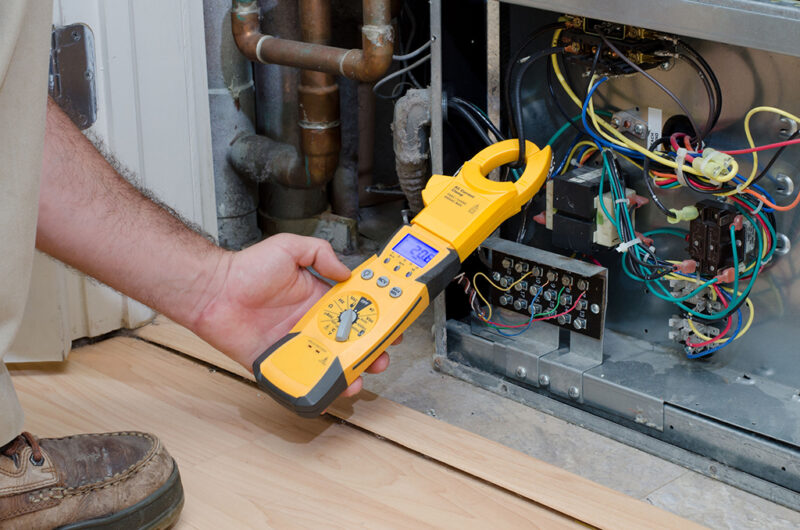
Those steps handle the surface issues. They do not tell you whether your capacitor lost capacity, whether your contactor is burned, or whether refrigerant pressures drifted during the hardest week of the year. Those readings require a meter and a set of gauges.
Do Not Wait for the Heat to Break
Houston stays hot well into October, and your system has weeks of hard running still ahead of it. Every additional day of nonstop operation adds strain to parts that are already worn. A weak capacitor does not heal on its own. It gets weaker, and it takes the compressor down with it.
Get it checked while the equipment is still under load, because that is when a technician can actually measure how it is performing. A capacitor caught today is a small repair. A compressor lost next week is not. Do not gamble on the system making it to fall on its own.
Our team can test every component listed above and tell you exactly where you stand. Schedule your AC maintenance visit or get in touch with us to set up a time.