Houston Hurricane Planning: Turn the Isaias Reminder Into a Power Priority List
Tropical Storm Isaias has brought renewed attention to Gulf hurricane preparation. In the October 7, 2026 outlook, hurricane strengthening is forecast. Follow the NHC’s current advisories rather than relying on an older storm map.
Air Tech of Houston recommends using this moment to define your backup-power priorities. Even if the storm tracks away from Houston, a written list helps you evaluate generator options for future outages without assuming every appliance must run simultaneously.
Separate Essential Loads From Optional Loads
Start with the tasks you need electricity for, then identify the appliances behind them. Food storage points to refrigeration; communication may mean phone charging and network equipment. Cooling needs should be discussed explicitly with the installer because equipment starting demands affect system selection.
Ask how the proposed setup handles competing loads and what happens when utility service returns. Record the answer along with the system’s operating instructions. For powered medical equipment, arrange an independent emergency plan with the equipment provider; do not make an unverified generator proposal your only backup.
Decide What Your Household Needs First
Make a list of the equipment you need during an outage. Refrigeration, lighting and communication may be priorities. Cooling needs and powered medical equipment deserve their own planning, especially when an outage could last longer than expected.
Keep water, shelf-stable food, medications, flashlights, batteries and charged power banks accessible. Include supplies for pets. Choose a family check-in contact and an alternate place to stay if your home becomes unsafe or too hot. If someone relies on medical equipment, arrange backup support with the equipment provider in advance.
Monitor local emergency alerts and follow evacuation instructions. A generator cannot protect a home from flooding or replace an evacuation plan.
Check Electrical Concerns Before the Weather Changes
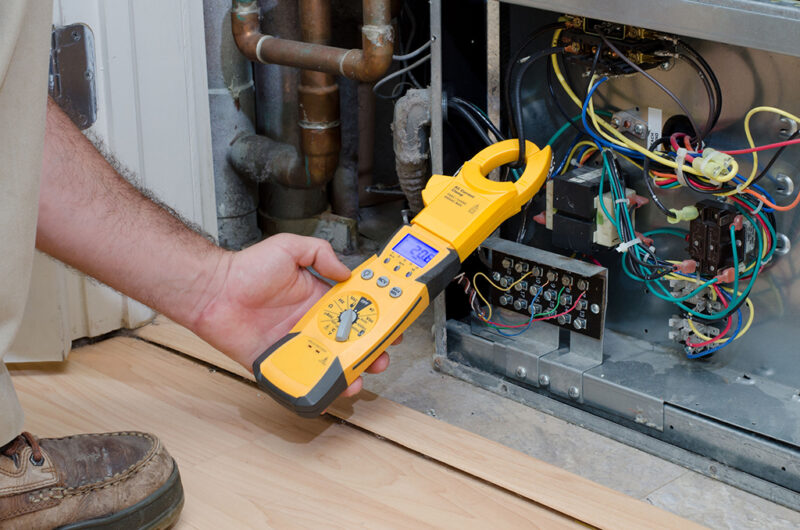
Recurring breaker trips, flickering lights or damaged outlets warrant attention from a qualified electrician. Have those concerns checked while conditions are safe. Do not attempt repairs to the panel or household wiring yourself.
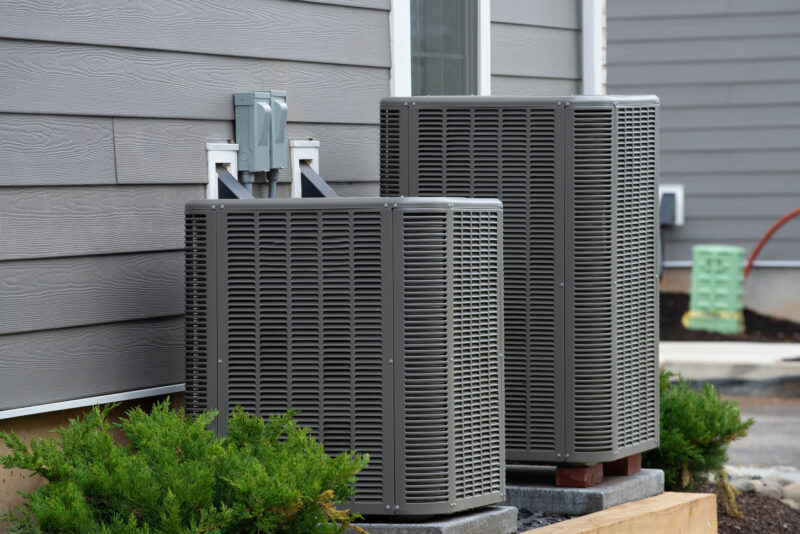
Secure loose outdoor items and clear accessible debris from around your outdoor AC unit before the storm. Keep the unit’s airflow unobstructed; do not cover equipment while it is running. Avoid outdoor preparations once dangerous weather has arrived.
Size Backup Power Around Actual Loads
“Whole-home generator” does not mean every system can run every appliance at once. Generator capacity, motor starting demands, fuel availability and load management all affect what the system can support.
During a generator installation assessment, discuss which circuits matter most and whether central air conditioning is part of your backup plan. A professional can evaluate the appropriate equipment, placement and transfer setup for your home. Plan ahead so there is time for the required installation steps.
If you already have a standby generator, review the manufacturer’s service schedule, check for visible alerts and schedule needed maintenance. Keep required clearances around the unit. Do not wait for an outage to address a system that struggles to start.
Use Portable Generators With Care
A portable generator has different operating requirements from a permanently installed standby system. Follow its manual and the Consumer Product Safety Commission’s portable generator safety guidance.
- Run portable generators outdoors at least 20 feet from the home, with exhaust pointed away from doors, windows and vents. Never use one inside a home or garage.
- Maintain working carbon monoxide alarms. An open garage door does not prevent carbon monoxide poisoning.
- Never connect a generator to a wall outlet. Connections to household wiring require appropriate transfer equipment installed by a qualified electrician.
- Allow the generator to cool before refueling, and follow manufacturer instructions for safe operation and protection from wet conditions.
Free Estimates on New Whole-Home Generator Installations
Ready to explore your options? Air Tech of Houston offers Free Estimates on New Whole-Home Generator Installations. Mention this generator offer when you request service.
Estimates for new installs only. Some restrictions may apply. Please call for details.
Inspect Before Restarting After a Storm
Once conditions improve, look for damage from a safe distance. Stay clear of downed lines and standing water near electrical equipment. Do not restart an air conditioner, generator or other electrical equipment that has been flooded until a qualified professional has inspected it.
Taking these steps now gives your household a clearer plan when the weather changes. Contact Air Tech of Houston to discuss generator installation and the preparation your home needs before the next outage.