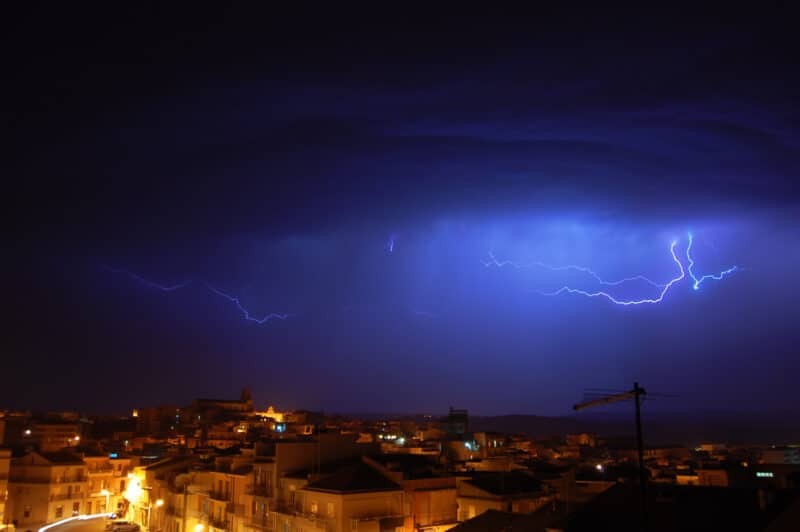
Tropical Depression 2 is currently strengthening in the Gulf and is expected to become Tropical Storm Bertha by Monday night. Forecasters are tracking the system westward, with tropical storm-force winds potentially reaching Texas coastal waters as early as Wednesday evening and rain and thunderstorm chances increasing substantially across Southeast Texas on Thursday and Friday.
The track is not yet set in stone, but the window for preparation is closing fast. Here is what Houston and Southeast Texas homeowners should do right now to protect their homes, their electrical systems, and their families.
Electrical Safety Steps to Take Before the Storm
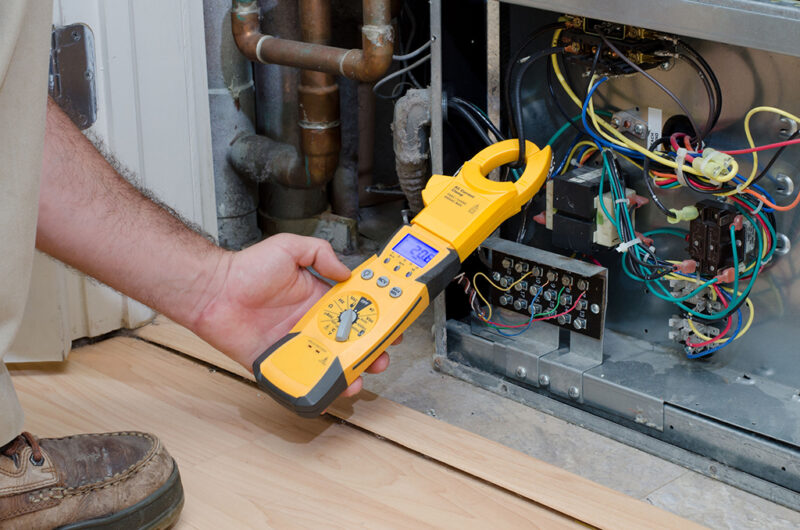
Check Your Electrical Panel
Before a storm arrives, take a few minutes to inspect your electrical panel. Look for any breakers that are already in the tripped position or that feel warm to the touch. If your panel is older or you have noticed flickering lights or tripping breakers in recent months, the added stress of power surges during a storm is the worst time for an underlying electrical problem to surface. A licensed electrician can identify and address those issues before they become an emergency.
Protect Against Power Surges
Power surges are one of the most common and damaging effects of tropical storms. When the grid goes down and comes back up, the resulting voltage spikes can damage or destroy electronics, appliances, and HVAC systems. If you do not already have whole-home surge protection installed, it is worth calling about before the storm arrives. Unplug sensitive electronics and appliances in the meantime as a basic precaution.
Turn Off Your AC Before the Storm Hits
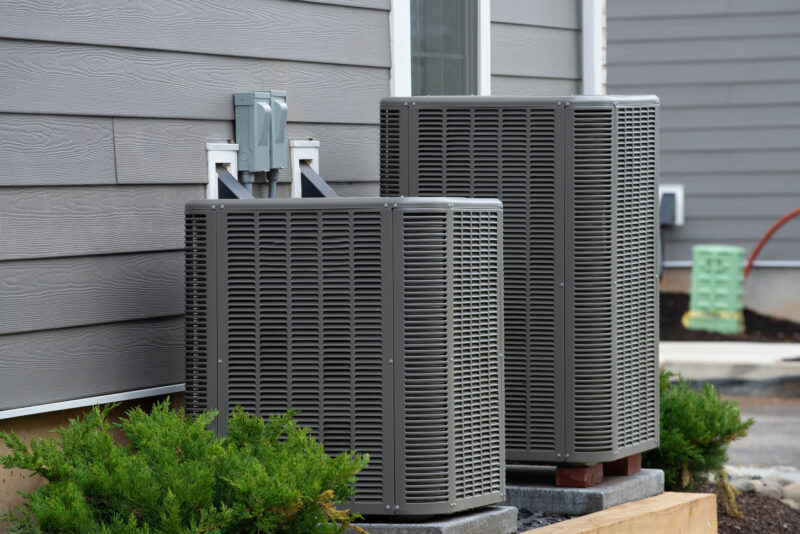
When a tropical storm is imminent, shut your air conditioning system off at the thermostat and at the main breaker. Power fluctuations during the storm can cause the compressor to overheat or be damaged by electrical surges while it is running. Once the storm has passed and power has been stable for a few minutes, it is safe to restart the system.
Secure or Cover Your Outdoor Unit
Flying debris is one of the primary ways tropical storms damage outdoor AC condenser units. Clear the area around your unit of anything that could become a projectile, including patio furniture, potted plants, and loose fencing. Do not cover the unit with a tarp while it is running, but if the system is off and you have a hard cover available, it can offer some protection from debris.
Know Where Your Main Water and Gas Shutoffs Are
Storm damage sometimes extends to your plumbing and gas lines. Make sure every adult in your household knows where the main water shutoff and gas shutoff valves are located and how to operate them quickly if needed.
Generator Preparation: What to Do Right Now
If You Already Have a Standby Generator
A Generac standby generator should run a self-test automatically each week. Before the storm, run a manual test to confirm it starts and operates correctly. Check the fuel supply if it runs on propane, or confirm your natural gas connection is working. Clear any debris from around the unit and make sure the transfer switch is functioning. If anything seems off, call for a service check now while there is still time.
If You Have a Portable Generator
Portable generators require careful handling. Never run a portable generator inside your home, garage, or any enclosed space. Carbon monoxide poisoning is a serious risk and a leading cause of storm-related fatalities. Always operate portable generators at least 20 feet from any door, window, or vent. Stock up on fuel now, before the storm drives demand up and supply down at local stations.
If You Do Not Have a Generator
Extended power outages in the Houston summer heat are a genuine safety concern, particularly for older adults, young children, and anyone with a medical condition that requires powered equipment. If Bertha produces significant impacts, outages in Southeast Texas could last days.
A Generac whole-home standby generator installs permanently, connects directly to your electrical panel, and turns on automatically the moment power goes out. There is no manual setup, no extension cords, and no running outside in the rain. If you have been considering a generator, the time to act is before the storm, not after. Call us today and we will tell you what is realistically possible before Bertha arrives.
After the Storm: What to Check Before Turning Everything Back On
Once the storm has passed and it is safe to move around your property, do a quick inspection before restoring power and restarting systems.
- Inspect your outdoor AC unit for visible damage, debris lodged in the fins, or signs of flooding before restarting it
- Check for water intrusion near your electrical panel, outlets, or any wiring before restoring power
- Look for downed power lines on or near your property and report them to CenterPoint before approaching
- Wait 3 to 5 minutes after power is restored before restarting your AC to allow system pressure to equalize
- If you smell gas, leave the home immediately, do not operate any switches, and call 911 and your gas provider from outside
If your AC, electrical system, or plumbing sustained any storm damage, do not attempt repairs yourself. Post-storm electrical work and refrigerant handling require licensed professionals, and attempting repairs on a damaged system can be dangerous.
Air Tech Is Here Before, During, and After the Storm
Air Tech of Houston has served the greater Houston area since 1985, including through hurricanes, tropical storms, and every severe weather event in between. Our licensed technicians are available for pre-storm electrical checks, generator service, and post-storm repairs across Houston, Katy, Conroe, Humble, The Woodlands, and Pasadena.
Call us at (832) 699-4685 or request service online. Do not wait until the storm is on top of us.